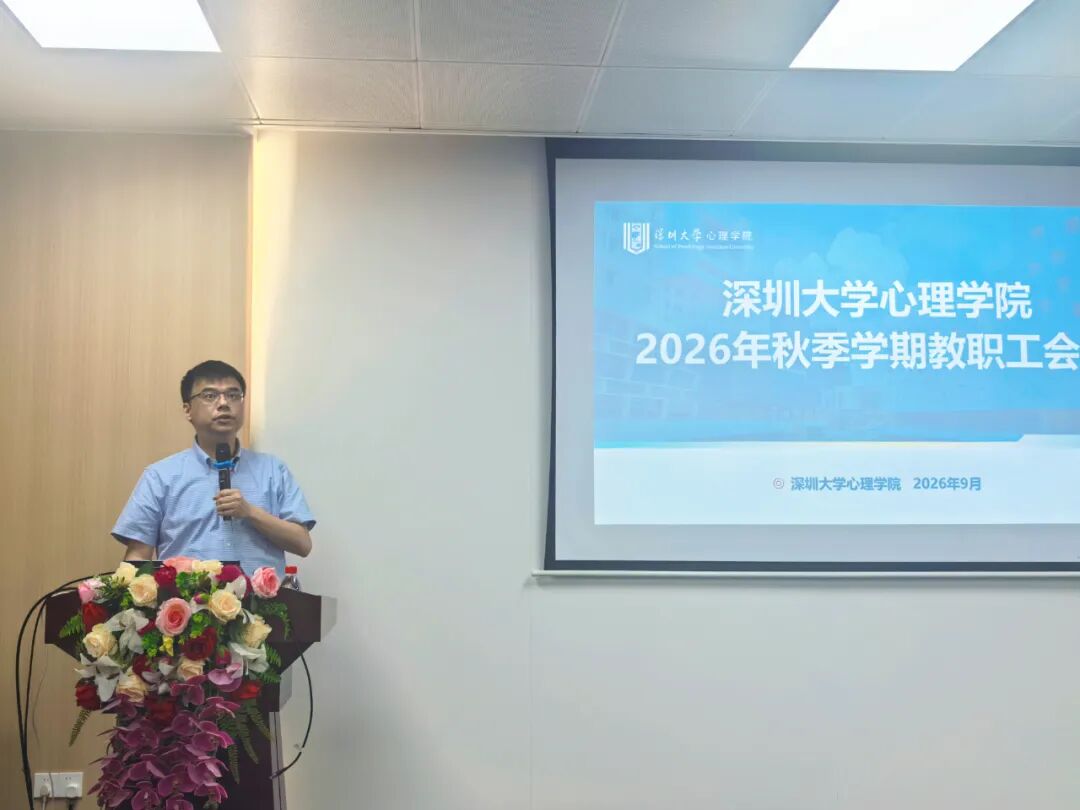
On September 14, 2026, the Psychology School of Shenzhen University held its 2026 fall semester faculty and staff meeting in Room L3-1201 of Zhili Building. The meeting focused on summarizing the school's work during the first half of the year and outlining plans for the second half, clarifying goals and refining responsibilities to ensure efficient progress across all initiatives in the new semester. The meeting was chaired by Zhang Lunan, Party Secretary of the school.
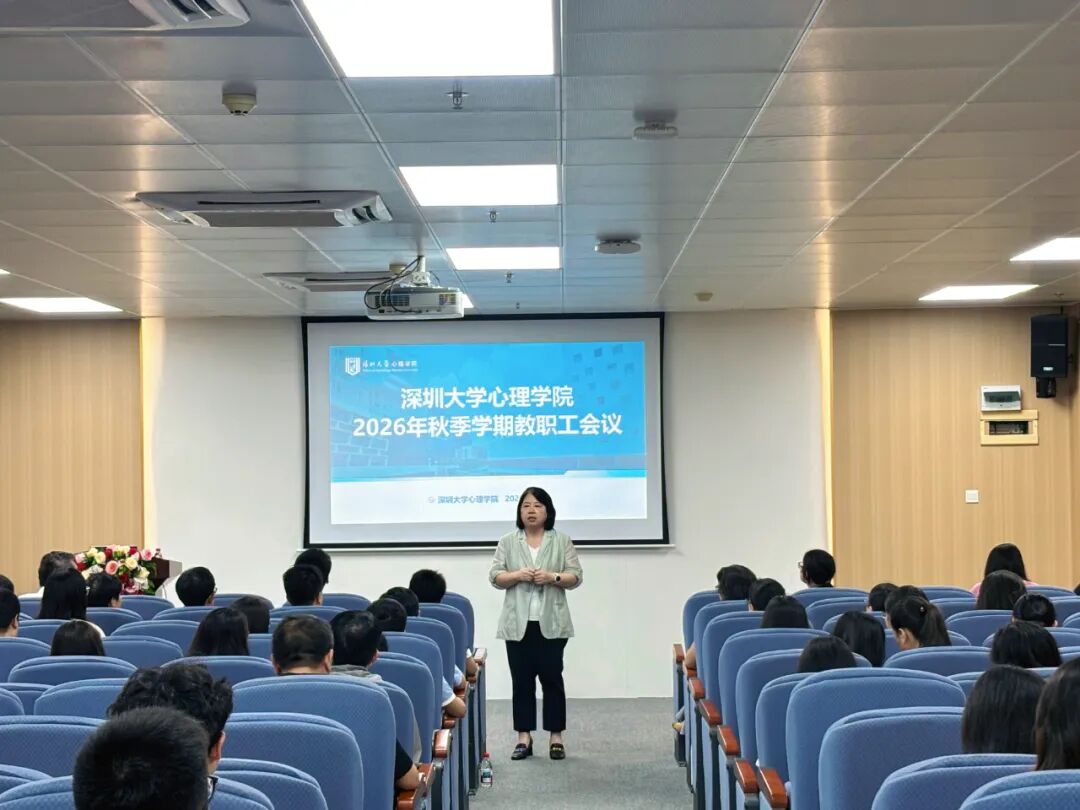
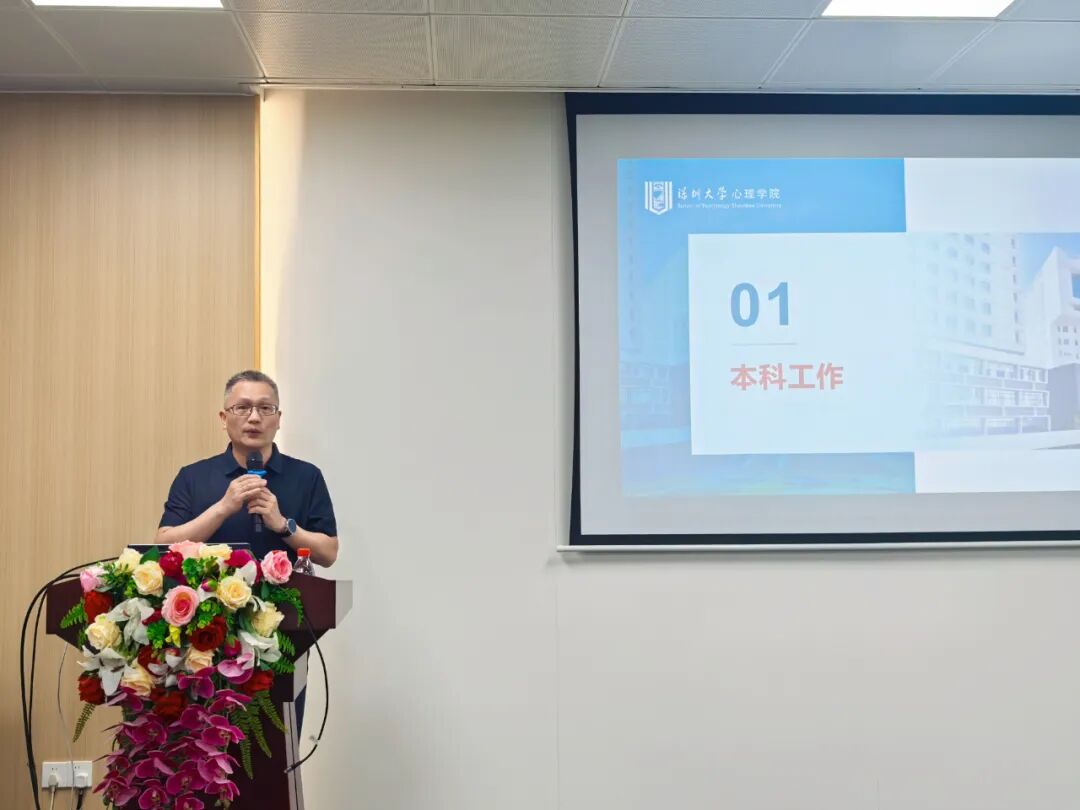
Members of the school’s leadership team delivered reports and made arrangements regarding their respective areas of responsibility. Vice Dean Guo Tianyou provided a comprehensive review of undergraduate programs and training courses during the first half of 2026. He noted that undergraduate-related activities had proceeded smoothly, with the school receiving various awards in teaching, student competitions, educational reform projects, and enrollment promotion. For the second half of the year, key priorities include revising the undergraduate curriculum and advancing training course development.
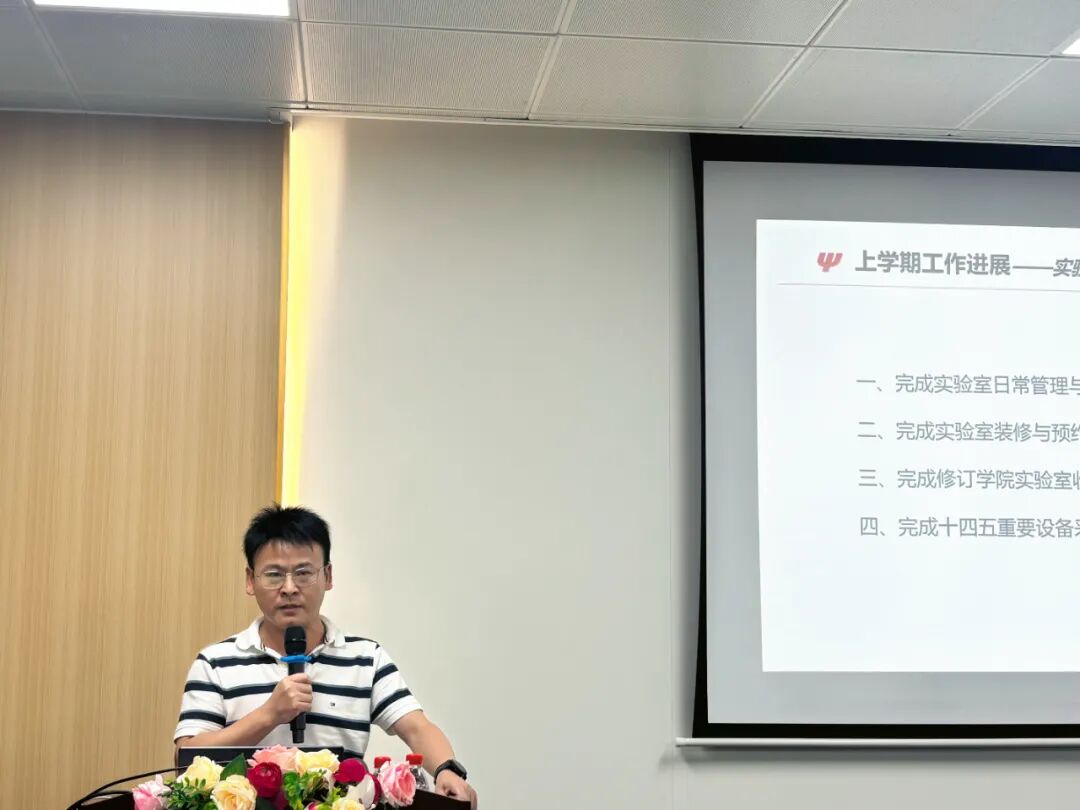
Vice Dean Li Peng delivered a systematic summary and deployment for the second‑half work on key areas including laboratory administration, postgraduate admissions and degree governance. He briefed attendees on the current status of laboratory operations and overall postgraduate admissions, and outlined work priorities for late 2026: advancing the application for the Professional Doctorate Program, conducting interviews for students recommended for admission without examinations, completing question‑setting and marking for the 2027 national unified postgraduate entrance examination, and administering doctoral and master’s degree conferral procedures. He emphasized that supervisors, as primary persons‑in‑charge for postgraduate students, should foster sound supervisor‑student relationships, proactively attend to students’ research progress and practical difficulties, provide timely guidance and support, and give equal weight to knowledge imparting and moral education.
Deputy Party Secretary Gao Liang elaborated on student affairs, disciplinary inspection and trade‑union work completed in the first half of the year. Regarding student work, he encouraged graduates to attend job fairs, supported students pursuing postgraduate studies, and stressed mental‑health services and academic‑ethos development. On disciplinary inspection, he highlighted risk screening for integrity‑related hazards, identification of risk points, improvement of preventive measures, and strengthened routine supervision over high‑risk domains. For trade‑union affairs, he proposed innovative event design and sustained care and support for faculty and staff.
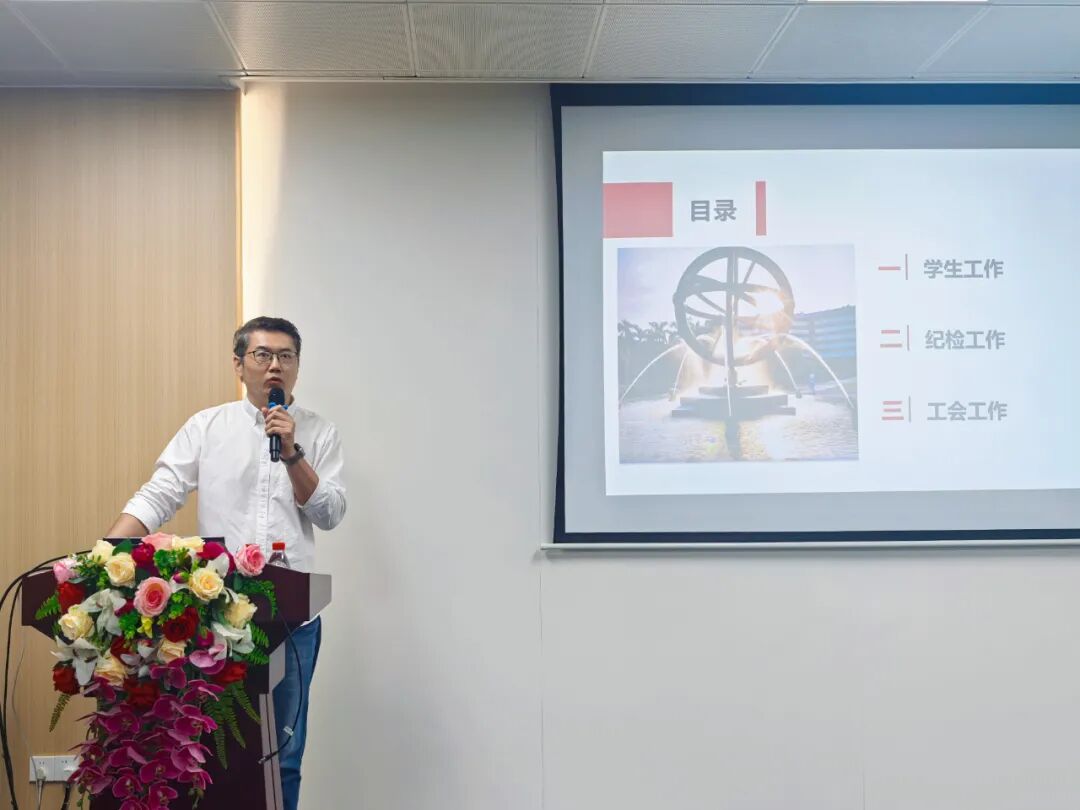
Secretary Zhang Lunan comprehensively summarized the achievements of the College Party Committee in the first half of 2026, systematically reviewing the solid results in Party building from aspects including the campaign to establish and practice a correct understanding of governance performance, Party building brand development, education and training of Party members, implementing the system of responsibility for ideological work, and professional ethics of teachers.
During the meeting, Secretary Zhang also conveyed the university Party committee’s spirit and requirements for new semester Party work, and based on the school’s actual conditions, made specific arrangements for key Party tasks this semester. First, we will continue to deepen our efforts to arm ourselves with the Party's innovative theories, thoroughly study and implement the Xi Jinping Thinking on Party building, and cooperate with the school Party committee in preparing for disciplinary inspections. Second, we must advance the integration of Party building with disciplinary development and continue to promote the "dual excellence" initiative and the branding of Party building. Third, we should deepen the university–locality collaborative education mechanism and solidly implement the "integrated development of ideological and political education across primary, secondary, and tertiary schools" and the "Xingjian Special Economic Zone" open course program. Fourth, we will continue to advance Party member recruitment and ensure high-quality admission of high-level talents into the Party this year. Fifth, we will deepen the implementation of ideological work and the development of discipline and work style, and consolidate the system of responsibility for ideological work. Sixth, we will further improve Party building guiding League building, and transform the synergistic advantages of the Party and the League into internal impetus for the College's development. Seventh, we will further strengthen the professional ethics of teachers and implement the assessment measures for teacher ethics and conduct. In the second half of the year, the College Party Committee will continue to be guided by high-quality Party building, sustain its efforts with targeted measures, and truly integrate Party leadership throughout the entire process of running and governing the College.
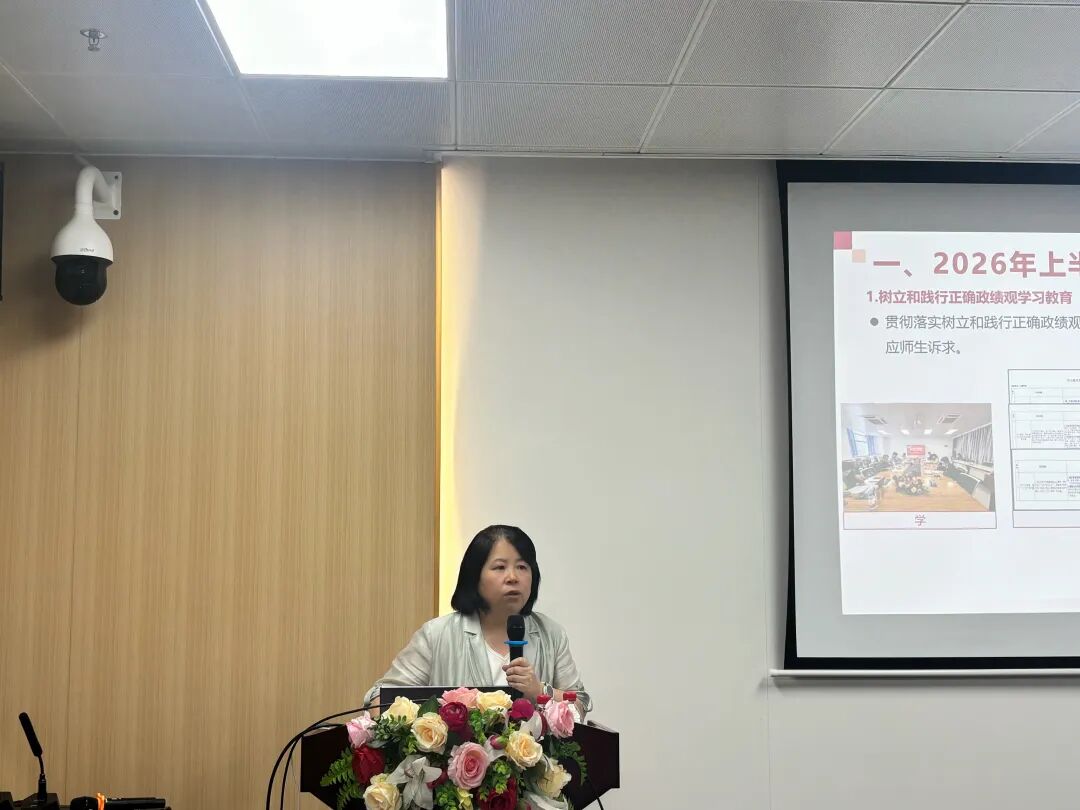
Dean Chen Qi provided a detailed overview of the college's overall operations, covering undergraduate teaching, graduate programs, human resources, scientific research, top-tier laboratory and platform development, student affairs, public relations, and training programs. He noted that scientific research and innovation achieved notable results in the first half of the year: national-level research projects were successfully secured, applications for provincial, ministerial, and local research grants progressed steadily, and multiple achievements received provincial-level awards in philosophy and social sciences. High-impact publications have seen steady growth, with many papers published in prestigious journals such as Cell Reports. Academic exchanges have expanded significantly, with active invitations extended to experts from home and abroad, and numerous high-level academic conferences and specialized lectures organized, fostering an increasingly vibrant academic environment. He emphasized that in the second half of the year, the college will align with the university’s overall strategic plans, comprehensively advance key tasks including applying for doctoral programs, revising undergraduate curricula, formulating the college’s 15th Five-Year Plan, international cooperative education, research project applications, and laboratory construction, and unite efforts to promote steady, high-quality development across all areas of the college.