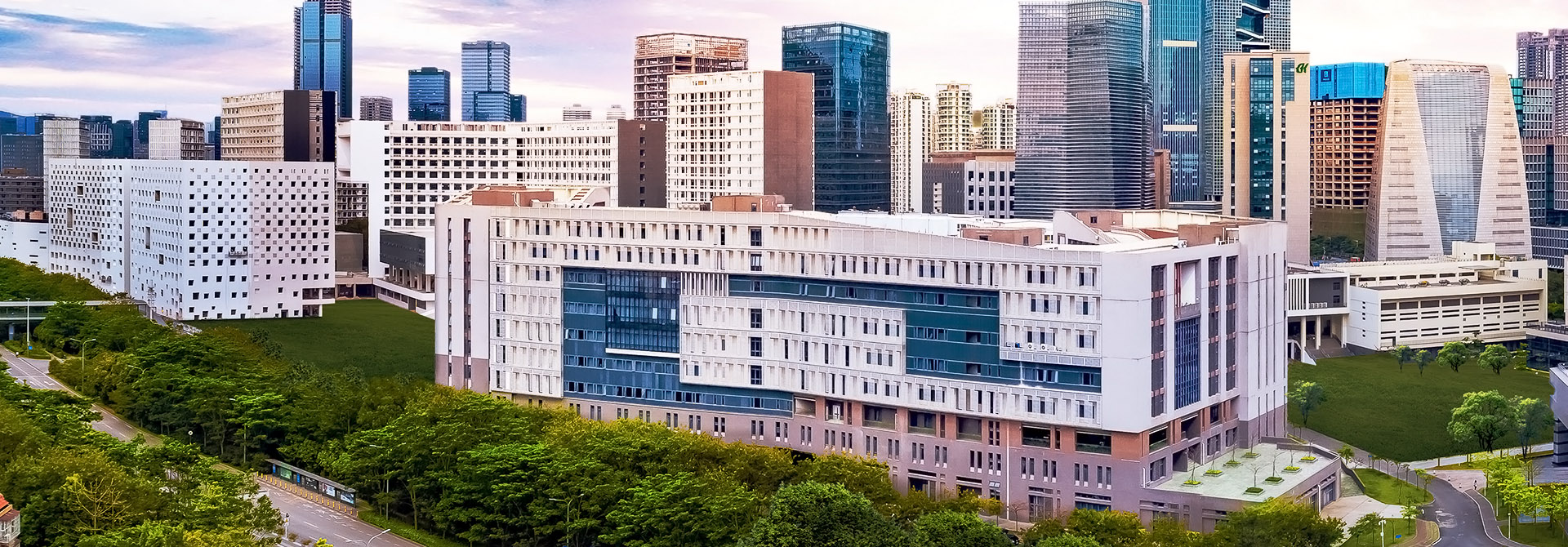
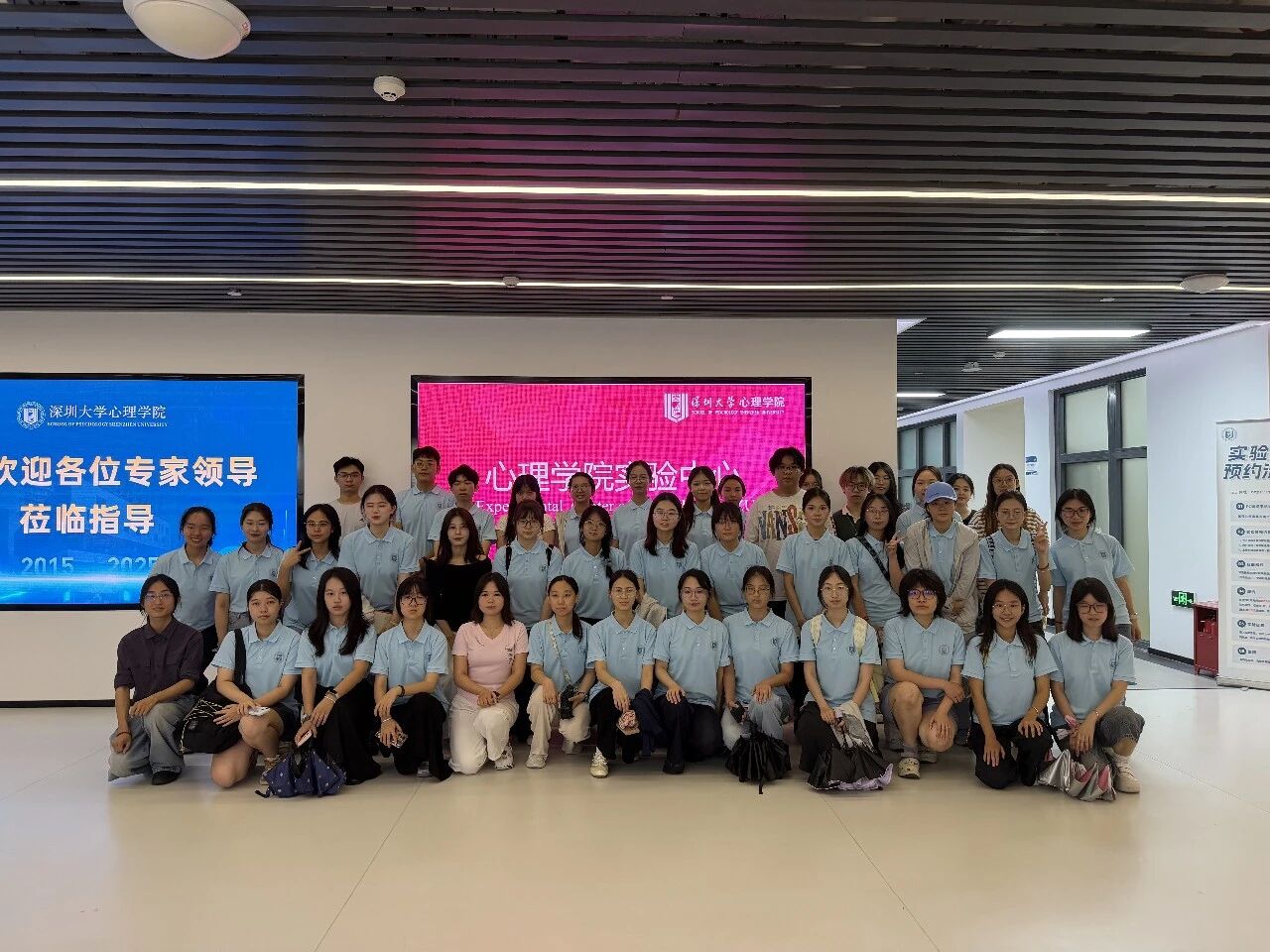
From July 13 to 15, the School of Psychology successfully held the 2027 Summer School. Forty-three participants from multiple universities, including Beijing Normal University, Southwest University, Hunan Normal University, Jiangxi Normal University, and Guangzhou University of Chinese Medicine, gathered for the event. Li Peng, Vice Dean of the School of Psychology, along with graduate supervisors Wu Jianhui, Zhang Jieting, Deng Xinmei, Mei Ning, Wei Yue, Wu Dan, Han Chuanliang, Fang Zeming, Fan Ying, Qi Yafei, Zhou Ying, and Li Qiongling attended the event. The summer school was conducted in a hybrid format combining online and offline components, enabling more outstanding students to participate via online meetings.
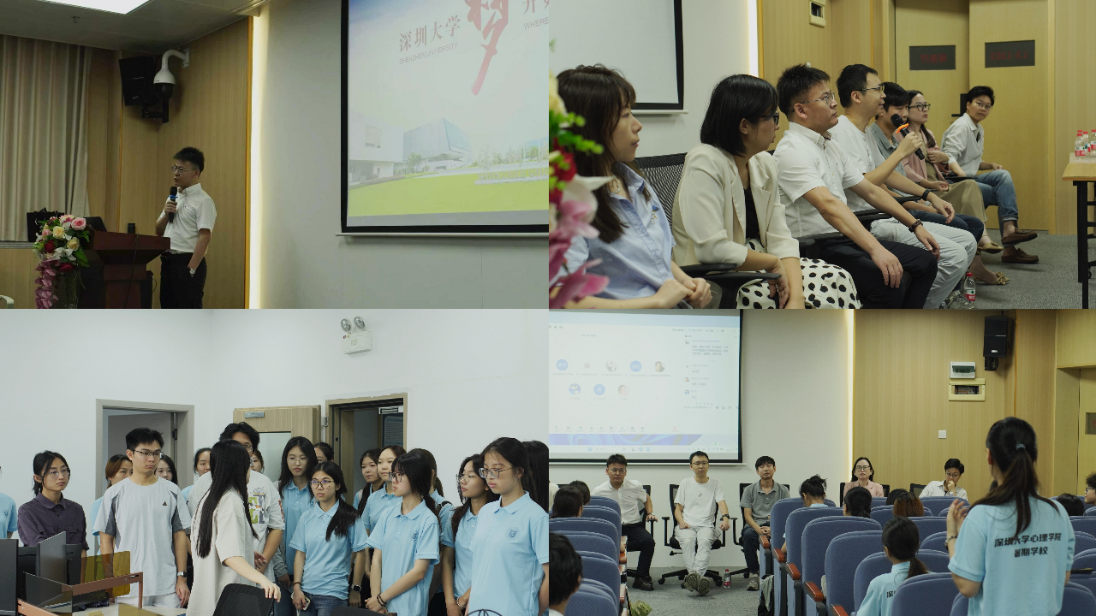
On the morning of July 14, the opening ceremony of the summer school and the college introduction session were held. Teacher Li Peng delivered a speech and provided detailed information about the college's overview and graduate admissions, helping participants gain a more comprehensive understanding of the school's development orientation and distinctive talent cultivation features. Subsequently, teachers Lan Biqi and Ma Yuan from the laboratory led the participants on a tour of various laboratories, allowing them to experience firsthand the strong research capabilities at the forefront of scientific inquiry. During the teacher-student symposium, Vice Dean Li Peng, Associate Professor Deng Xinmei, Assistant Professors Wei Yue, Luo Canhuang, Zhou Ying, Han Chuanliang, and Qi Yafei, gathered with the students in a relaxed setting to exchange views and answer questions regarding academic studies, research, and further education. The atmosphere was warm and harmonious.
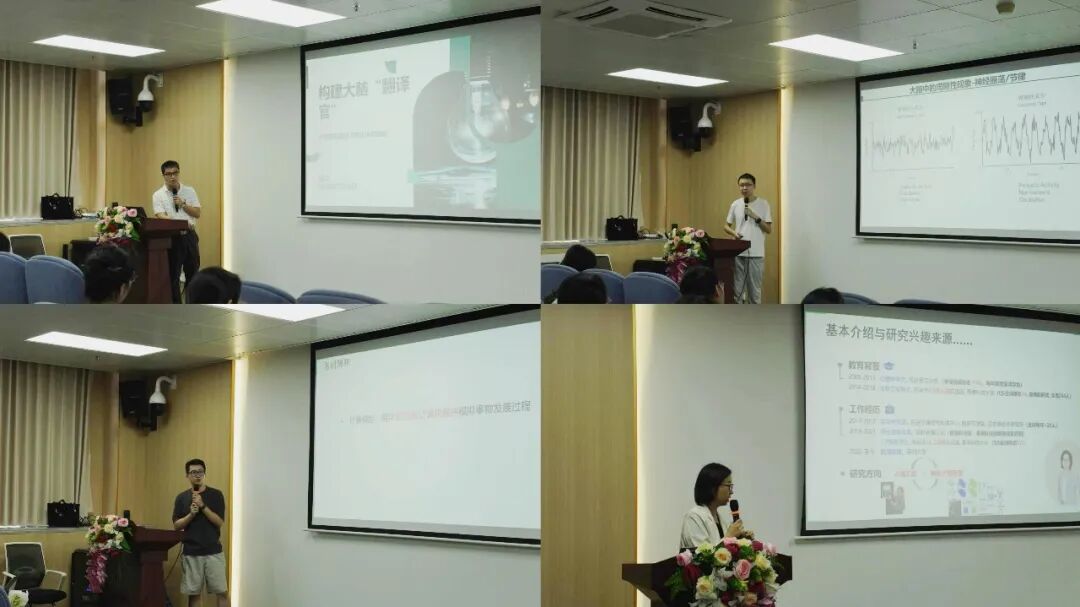
On the afternoon of July 14, the training officially entered the "Computational Cognitive Neuroscience Methods" theme module. Associate Professor Mei Ning, with the topic "Building the 'Translator' of the Brain: Decoding Neural Encoding with Computation and Machine Learning ", explained in a clear and concise manner how to decode brain activities using computational and machine learning approaches. Assistant Professor Han Chuanliang started from neuroelectrophysiological experiments and combined with computational models to analyze the generation mechanism of brain neural oscillations and their cognitive correlations. Assistant Professor Fang Zemin introduced how to infer cognitive mechanisms from behavioral data using computational models. Assistant Professor Wei Yue focused on the cutting-edge application of machine learning models in the interpretation of brain network mechanisms. The four presentations were closely connected, providing the trainees with a complete knowledge framework from neural mechanisms to computational modeling.
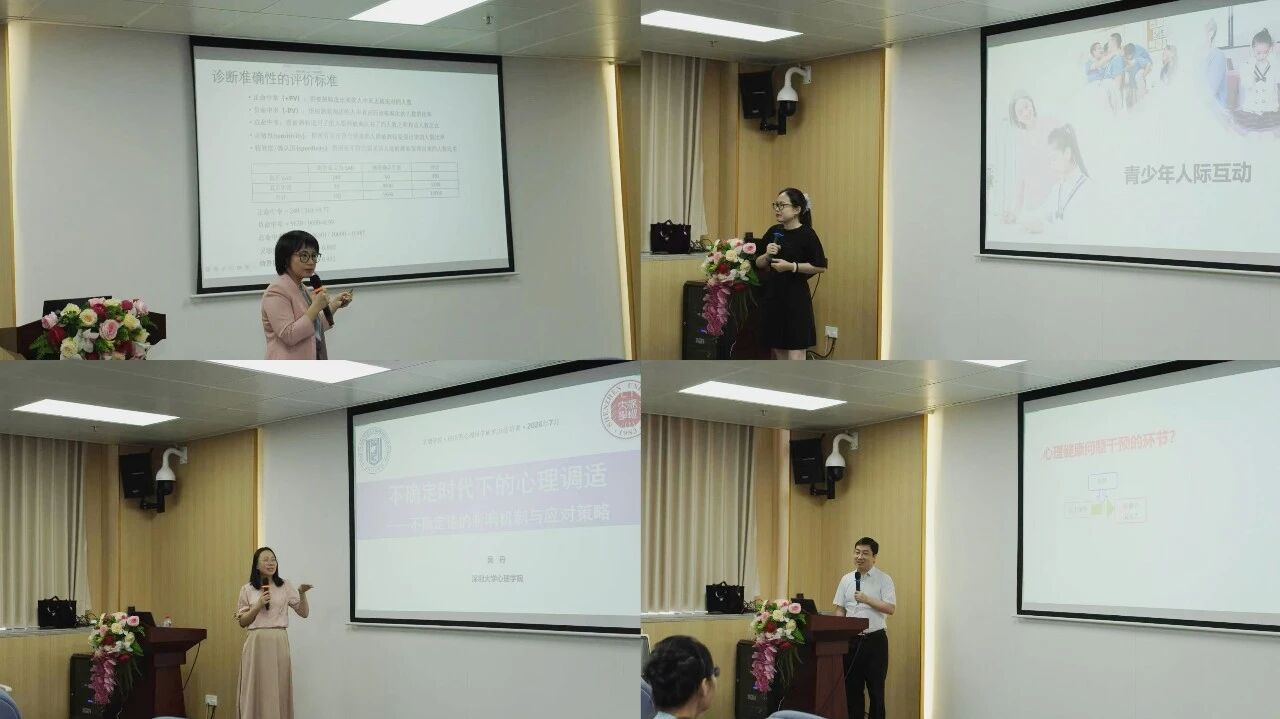
On the morning of July 15, the training focused on "Research Methods in Applied Psychology". Associate Professor Zhang Jieting delivered a special report on "Screening and Preventive Intervention for Depression", systematically introducing the research progress in the early identification and intervention of depression; Associate Professor Deng Xinmei, starting from the study of electroencephalogram hyper-scan, explored the neural basis behind interpersonal interactions among teenagers. Professor Wu Jianhui, centering on the theme of "Psychological Resilience", extended from basic research to practical applications. Assistant Professor Wu Dan focused on psychological adjustment strategies in an uncertain era, providing the trainees with theoretical perspectives and practical ideas for coping with the impact of uncertainty.
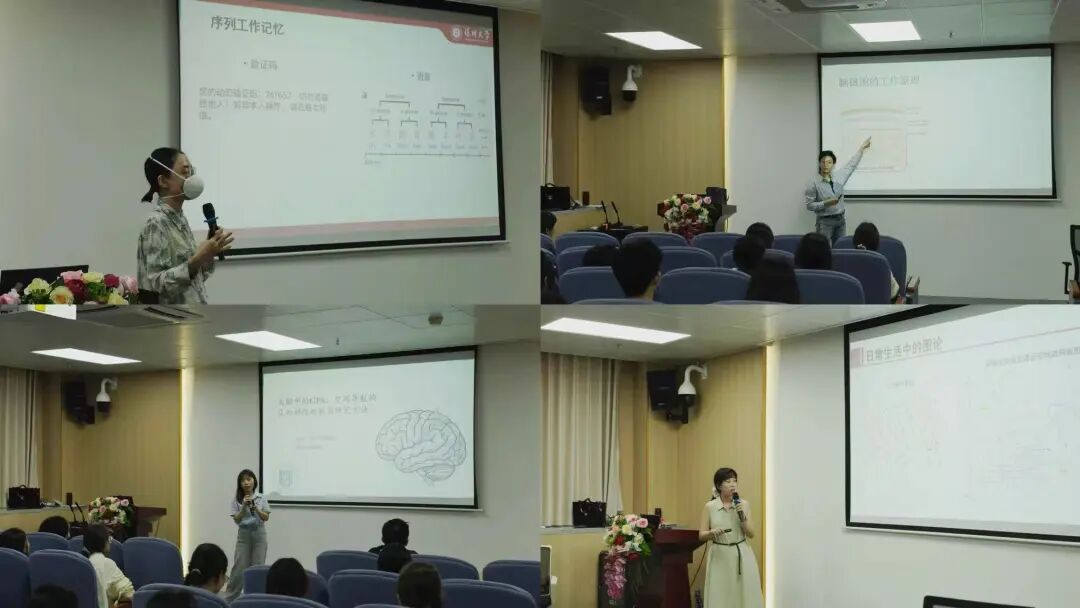
On the afternoon of July 15, the training entered the "Basic Scientific Research Methods in Psychology" module. Assistant Professor Fan Ying explained the research on the neural and eye movement representations of sequential working memory. Assistant Professor Qi Yafei, with the title "The GPS in the Brain", introduced the cognitive neural mechanisms and research methods of spatial navigation. Assistant Professor Zhou Ying delivered "A Quick Start Guide to MEG", opening the door to magnetoencephalography research for the trainees. Assistant Professor Li Qiongling, under the title "Construction and Reconstruction of the Brain's 'Transportation Network'", used magnetic resonance imaging evidence to tell the scientific story of the brain network's evolution from normal development to the progression of neuropsychiatric disorders.
Finally, on July 15, the closing ceremony was held as scheduled, marking the successful conclusion of the two-day summer school. Over the two days of learning, 43 outstanding students from different universities continuously grew through intellectual exchanges and knowledge sharing. They not only systematically gained insights into the cutting-edge developments in computational cognitive neuroscience and psychological research methods, but also formed deep bonds with the faculty and students of the college, gaining a more profound understanding of the School of Psychology at Shenzhen University.