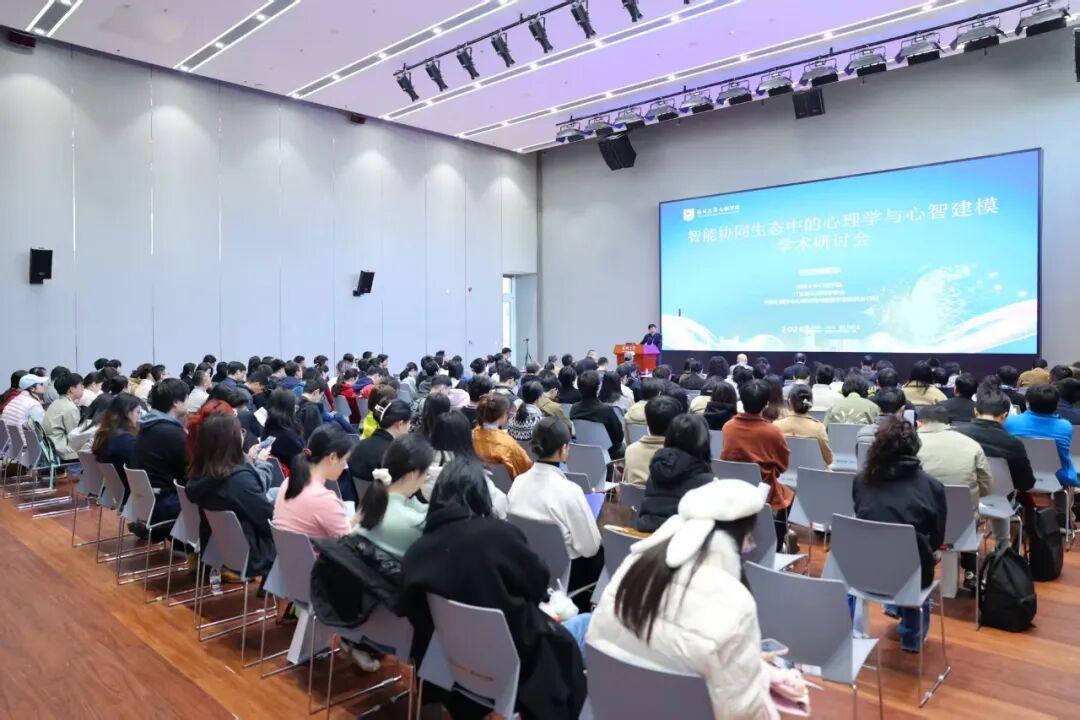
On the morning of January 10, the Academic Symposium on Psychology and Mental Modeling in Intelligent Collaborative Ecosystems, jointly organized by the School of Psychology, Shenzhen University, the Guangdong Cognitive Science Society, and the Professional Committee on Mental Processes and Modeling of the Chinese Psychological Society (Preparatory), was successfully held at the Multi-function Hall of the Alumni Plaza, Shenzhen University.
More than 200 experts, scholars, and students from institutions in China and abroad—including Peking University, Tsinghua University, the Institute of Psychology, Chinese Academy of Sciences, and Ghent University (Belgium) and so on —attended the symposium. The opening ceremony was chaired by Professor Chen Qi, Dean of the School of Psychology, Shenzhen University.
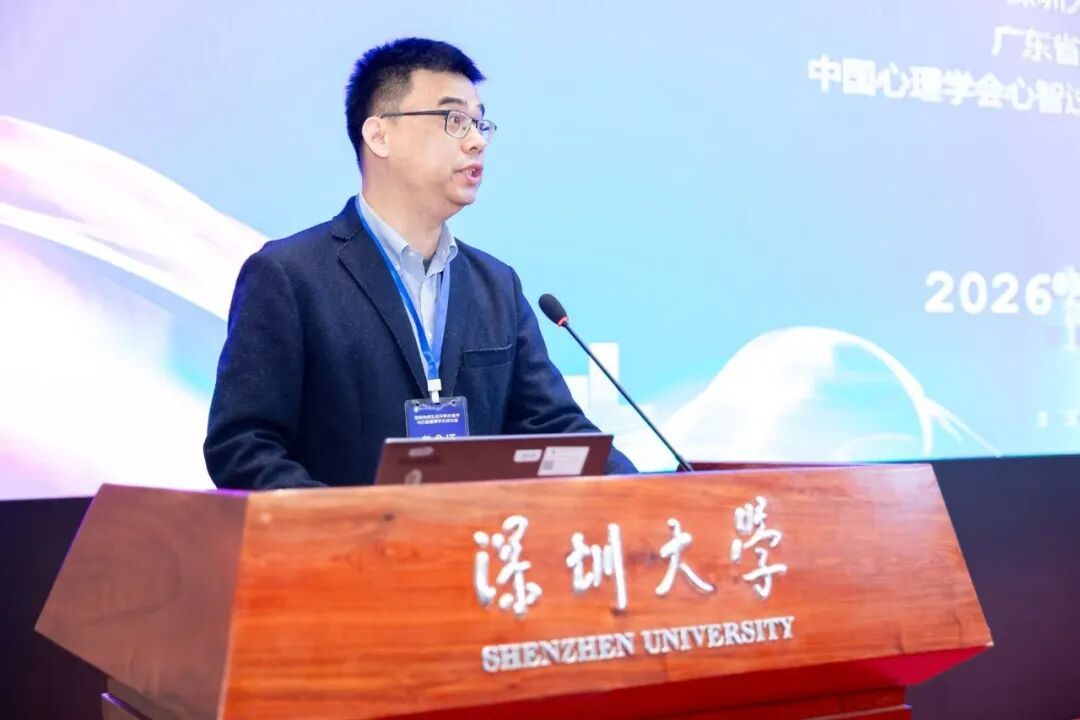
Centered on the theme of “Psychology and Mental Modeling in Intelligent Collaborative Ecosystems,” the symposium focused on key topics including social cognitive modeling, neural modeling, decision-making modeling, social psychological models, and psychometric models. The discussions explored pathways for interdisciplinary integration and innovative breakthroughs between psychology and mental modeling in the context of the artificial intelligence era.
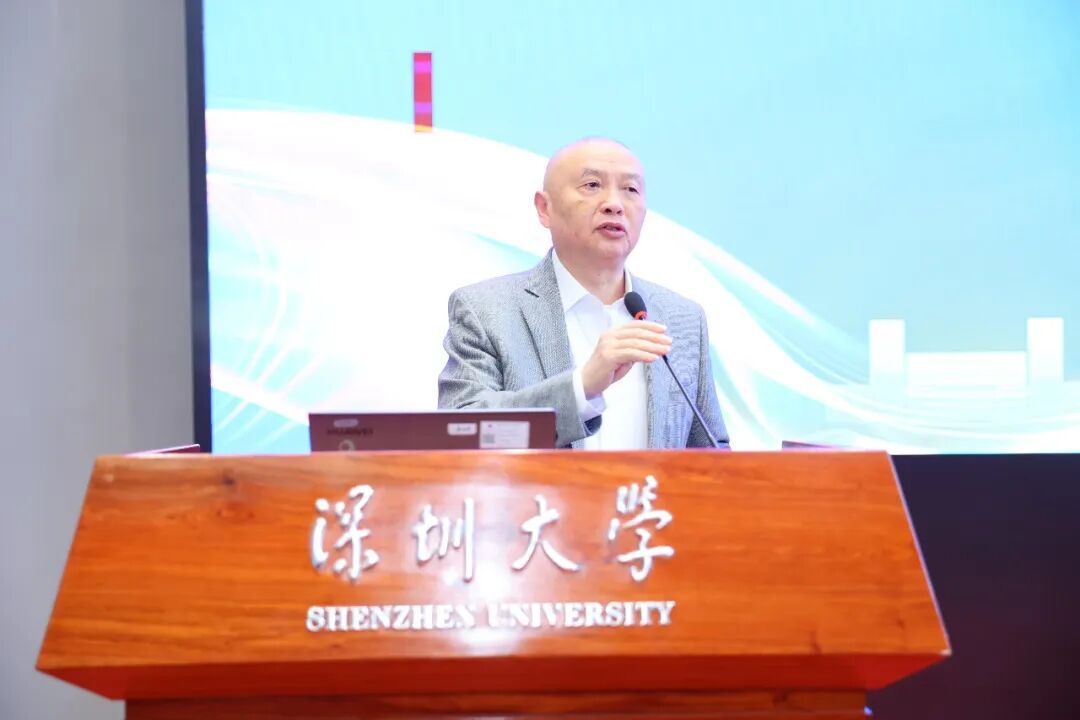
At the opening of the symposium, Professor Luo Yuejia, President of the Chinese Psychological Society, on behalf of the organizing institutions, extended a warm welcome to the attending experts, scholars, and young researchers from across the country and abroad. In his remarks, he highlighted the important role and practical significance of psychology and mental modeling in advancing artificial intelligence toward greater interpretability, adaptability, and human-centered development.
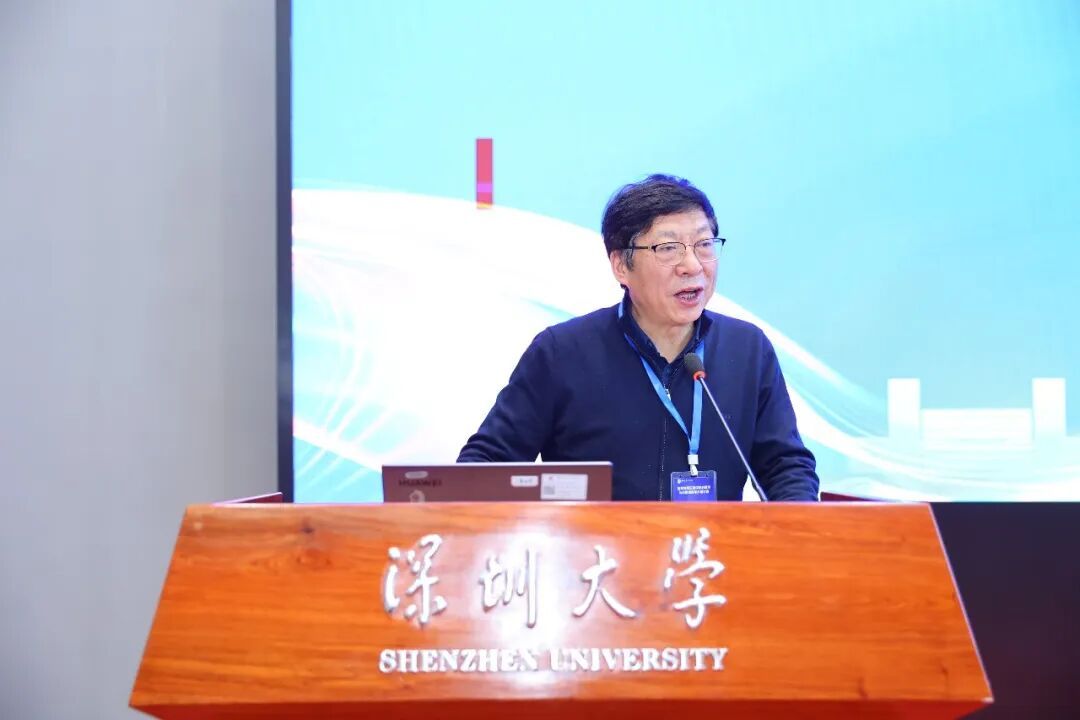
In his remarks, Professor Shen Mowei from the Department of Psychology and Behavioral Sciences at Zhejiang University noted that the Symposium on Mental Processes and Modeling was successfully held in Jiande, Zhejiang Province last year, and that this year’s symposium further advances the discussion by focusing on intelligent collaborative ecosystems, thereby demonstrating important continuity and expanded scope.
He expressed his hope that this platform would enable participants to engage in open and in-depth discussions, share cutting-edge research findings, and build scholarly consensus. By doing so, the symposium aims to promote bidirectional empowerment between psychology and artificial intelligence at both the theoretical and technological levels, injecting new momentum into the development of intelligent systems that more closely resemble the human mind.
During the keynote session, Professor Liu Jia from Tsinghua University, Professor Shen Mowei from Zhejiang University, Professor Wang Yizhou from Peking University, and Professor Tom Verguts from Ghent University presented cutting-edge research on topics including “Psy^AI: Computational Psychology and Practice,” “Cognitive Processing Mechanisms of Aesthetic Object Representations,” “Towards Efficient and Autonomous Agents with Cognition Priors,” and “Meta-learning and Cognitive Control.”
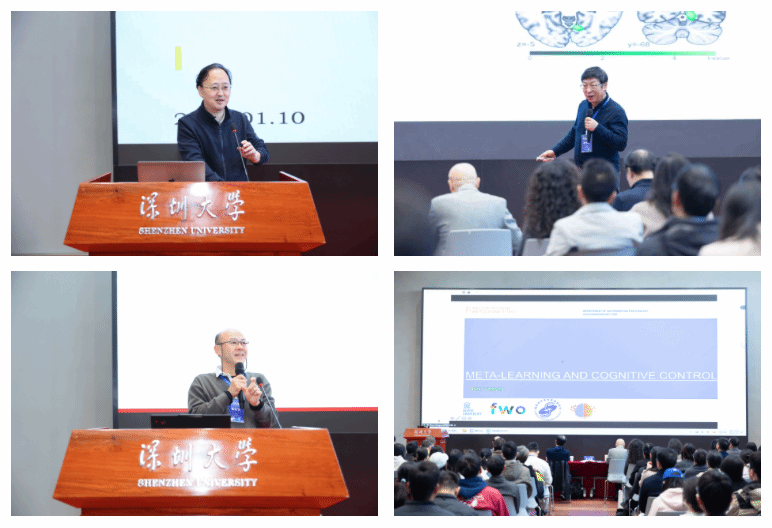
In the parallel sessions, experts and scholars delivered thematic presentations and engaged in discussions across four major directions: social cognitive modeling, computational models and psychopathology, embodied decision-making computation, and cognitive modeling and its applications. Participants conducted in-depth exchanges on key issues in these fields, sharing the latest research advances and practical experiences.
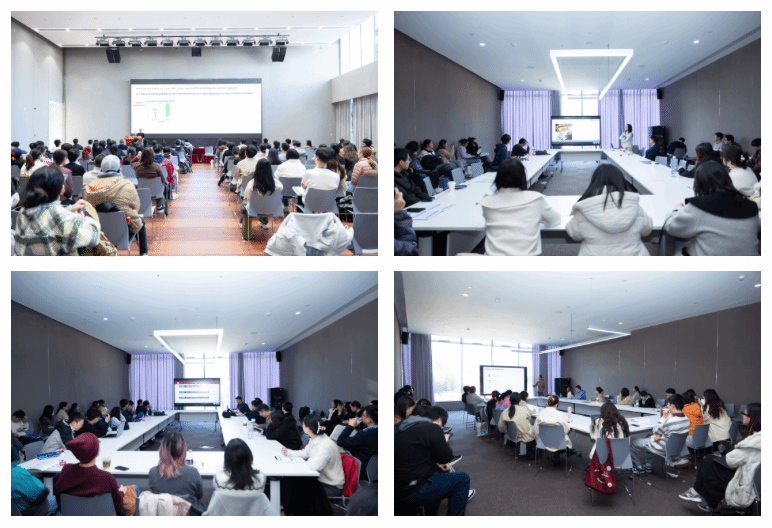
The series of insightful presentations at the symposium showcased cutting-edge advances in cognitive science, neuroscience, and artificial intelligence. Beyond providing a platform for in-depth academic exchange among scholars in psychology, the symposium also inspired participants to further explore the prospects of integrating human cognition with intelligent technologies. By fostering broad consensus and clarifying future directions, the event contributed to advancing the development of cognitive psychology in China and deepening interdisciplinary research.
In addition, on January 9, the Preparatory Committee of the Professional Committee on Mental Processes and Modeling of the Chinese Psychological Society convened a meeting, during which the chair, vice chairs, and committee members were elected. The establishment of this professional committee is expected to strongly promote theoretical innovation, methodological advancement, and research translation in the study of mental processes and modeling, injecting new momentum into the high-quality development of psychology in China.